A Treatment Response Optimized Clinical Decision Support AI System via Digital Twin Simulation
Abstract
This manuscript presents a digital twin simulation framework for a treatment-response-optimized clinical decision support AI system.
Xinyu Qin, Anil K. Sood, Ruiheng Yu, Sara Corvigno, Elaine Stur, and Lu Wang. A Treatment Response Optimized Clinical Decision Support AI System via Digital Twin Simulation. Manuscript submitted to the Annual International Conference of the IEEE Engineering in Medicine and Biology Society (EMBC 2026), 2026.

Xinyu Qin
PhD Student of Biomedical Engineering
My research interests include Causal Inference, Survival Analysis, and Digital Twin.
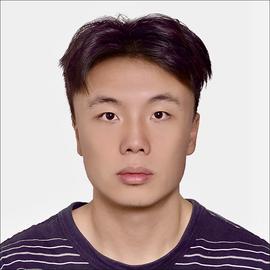
Ruiheng Yu
PhD Student of Biomedical Engineering
My research interests include Computer vision, explainable AI, LLM in health area.

Lu Wang
Assistant Professor of Biomedical Engineering
My research interests are developing and applying Machine Learning, Data Mining and Statistical methods (e.g., Multi-task Learning, Survival Analysis, Clustering, Risk Factor Analysis and Causal Discovery) on various data including gene expression, electronic health/medical records, and DNA sequencing reads for both cognitive disorders (e.g., delirium, Alzheimer’s disease, dementia, major depressive disorder) and chronic diseases (e.g., cancer, obesity, hypertension). Inspired by the human factors approach, she also designs and develops Human-Centered Artificial Intelligence tools for users to integrate, visualize, analyze, and interpret health data in order to improve the interoperability and accessibility of AI-assisted healthcare decision support.